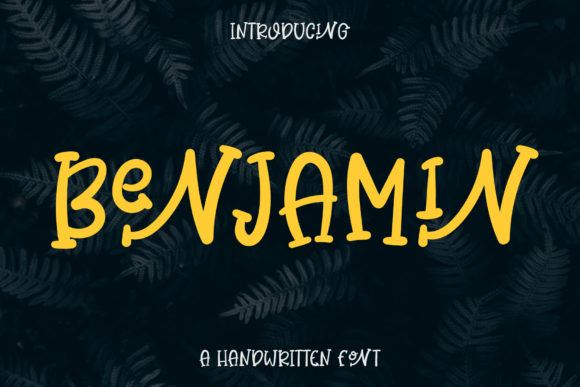
Benjamin Font: Handwritten Charm for Craft Projects
As a small shop owner and handmade seller, I know the importance of a font that feels personal and unique. Benjamin is a standout choice for anyone looking to add a friendly, casual touch to their designs. Its handwritten style brings warmth and character, making it perfect for everything from labels to invitations.
What Makes Benjamin Special?
Benjamin is a quirky, handwritten font that exudes charm. Its natural flow and slight imperfections give it a handcrafted feel, making it ideal for projects that need a personal touch. Whether you're creating printable art or designing product labels, Benjamin adds a sense of authenticity that modern typefaces often lack.
This font is part of the Script Amp collection, known for its expressive and versatile styles. With its friendly appearance, Benjamin works well in both digital and physical formats, offering a balance between readability and visual appeal.
Practical Uses for Benjamin in Craft Projects
Benjamin shines in a variety of handmade and commercial applications. For example, it’s excellent for candle labels, where a clean yet personable font can elevate the overall look. It also works well on farmhouse signs, wedding welcome boards, and printable wall art, adding a cozy, inviting vibe.
When designing invitations or greeting cards, Benjamin’s casual style helps convey a sense of warmth and approachability. It's especially effective for birthday or seasonal cards, where the font can match the tone of the message without overpowering it.
For product packaging and tags, Benjamin offers a stylish alternative to more rigid fonts. It pairs well with minimalist designs, allowing the product itself to take center stage while still maintaining a cohesive brand identity.
Readability and Practical Tips
While Benjamin is visually appealing, it's important to consider its readability in different contexts. For cutting machines like Cricut or Silhouette, using it for short phrases or names ensures clarity. On small stickers or product labels, keeping text concise helps maintain legibility.
When printing cards or mockups, test the font at various sizes to ensure it remains clear. For larger displays, such as signs or wall art, Benjamin can be used effectively as a headline or decorative element.
It's also worth noting that Benjamin includes multiple styles, alternates, and ligatures, giving you flexibility when customizing your designs. These features allow for greater creative control, especially when working on templates or digital downloads.
Font Pairing Ideas
Pairing Benjamin with other fonts can enhance your design work. A clean sans serif font like Montserrat or Lato complements its handwritten style, creating a balanced look that’s both modern and personal. For a more traditional feel, pairing it with a serif font like Playfair Display can add elegance and contrast.
If you’re working on a bold display piece, consider pairing Benjamin with a simple, strong font to avoid visual clutter. This approach works well for logos, packaging, or social media graphics where clarity and impact are key.
For digital printables or SVG designs, using Benjamin alongside a minimalist typeface helps maintain a professional aesthetic while still retaining a handmade feel.
Commercial Use and Licensing
When using Benjamin for commercial purposes—such as selling physical products, printables, or merchandise—it's essential to check the licensing terms. Most premium fonts allow for commercial use, but it's always wise to confirm the specific rights associated with the font.
For small business owners and Etsy sellers, having a reliable font like Benjamin can help establish a consistent brand identity. Whether you're creating printable templates, product tags, or digital downloads, Benjamin offers a versatile tool that supports both creativity and professionalism.
Its compatibility with multiple file formats makes it easy to integrate into various design workflows. From SVG files for cutting machines to high-resolution PNGs for print, Benjamin adapts well to different needs.
Benjamin in Action: Real-World Examples
Imagine using Benjamin on a set of boutique product tags. The font adds a personal touch that customers appreciate, making the item feel more special. Or picture it on a holiday-themed mug, where its casual style enhances the festive mood without being too flashy.
For wedding stationery, Benjamin can be used for place cards, welcome signs, or thank-you notes. Its friendly appearance helps create a warm, inviting atmosphere that aligns with the event's tone.
On a printable planner page, Benjamin can be used for headers or decorative elements, helping to organize content while maintaining a cohesive design theme. Its versatility makes it an asset for any creative project.
Final Thoughts
Benjamin is more than just a font—it's a creative tool that adds personality and charm to handmade and commercial projects. Its unique style makes it ideal for a wide range of applications, from labels and invitations to packaging and digital designs.
Whether you're a crafter, a small shop owner, or a designer, Benjamin offers a way to express your brand with warmth and authenticity. Its practicality, combined with its visual appeal, makes it a valuable addition to any design toolkit.