Rusty Lemon Font Review
As a small business owner, I've always believed that the right font can transform a brand. It's not just about aesthetics—it's about how a business is perceived. When I needed to update my bakery's packaging, I knew I had to find a font that felt authentic, friendly, and professional all at once. That's when I discovered Rusty Lemon.
A Friendly Handwritten Font for Real Business Needs
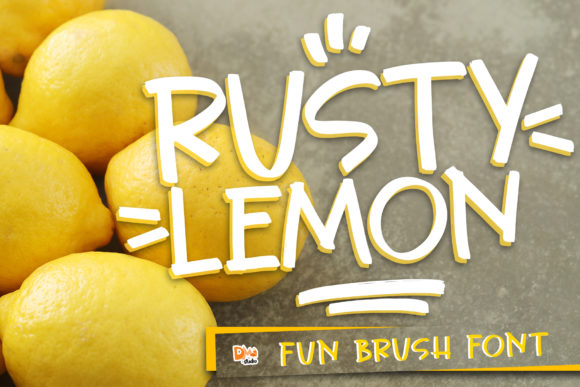
Rusty Lemon is a handwritten script font with a natural, slightly irregular flow. It doesn't feel too perfect or overly stylized. Instead, it has a warm, approachable vibe that feels like a personal note from a friend. This makes it ideal for businesses looking to convey a sense of care, creativity, and authenticity.
What sets Rusty Lemon apart is its balance between simplicity and character. The letters are clean enough to be readable but have enough personality to stand out. It works well in both digital and print formats, making it a versatile choice for any branding project.
Real-World Use: A Bakery’s Packaging Upgrade
I first used Rusty Lemon on my bakery's new product boxes. The font added a handcrafted touch that made the packaging feel more personal. It paired beautifully with a clean sans serif for the ingredients list and pricing, creating a visual hierarchy that was easy to follow.
On the label of a honey jar, Rusty Lemon gave the product a rustic, artisanal feel without being too flashy. It looked great on both printed labels and digital product images, helping to maintain a consistent brand identity across different platforms.
How Rusty Lemon Enhances Brand Perception
Typography plays a huge role in how customers perceive a brand. A well-chosen font can make a business look more polished, trustworthy, and memorable. Rusty Lemon does this by adding a human element to the design. It feels like it was written by someone who cares about the details.
When used in logos, menus, or social media graphics, Rusty Lemon helps create a cohesive visual language. It's especially effective for headlines, short phrases, and display text where a bit of flair can make a big difference. However, it's best to avoid using it for long blocks of text due to its cursive style, which may reduce readability in certain contexts.
Best Practices for Using Rusty Lemon
For small labels or mobile screens, it's important to keep the font size large enough to remain legible. On printed packaging, ensure there's enough contrast between the font and the background. For social media thumbnails, use bold versions of the font to make it stand out in a feed.
Pairing Rusty Lemon with a clean sans serif like Lato or Montserrat can create a modern yet friendly look. Alternatively, combining it with a classic serif font like Georgia or Playfair Display adds elegance and sophistication. The key is to maintain visual balance while letting the font shine in the right places.
Font Pairing and Design Flexibility
Rusty Lemon works well as a display font, making it perfect for headlines, titles, and decorative accents. It's also great for creating a unique brand voice through custom typography. Whether you're designing a menu, a thank-you card, or an Instagram post, Rusty Lemon adds a personal touch that other fonts might not.
When working with clients or managing multiple projects, having a font that's both expressive and adaptable is invaluable. Rusty Lemon offers that flexibility without sacrificing style or clarity.
Considerations Before Using Rusty Lemon
Before finalizing any design, it's important to check the font's available styles, file formats, and licensing. Make sure it includes alternate characters, ligatures, and multilingual support if needed. For commercial use, verify that the license covers your intended application, whether it's for product packaging, online shop graphics, or client work.
Rusty Lemon is part of the Script Amp collection, which offers a range of script and handwritten fonts. If you're looking for something with a similar feel but a different mood, there are plenty of options to explore.